See how one commercial drone job stays connected—without exposing the product blueprint.
This story uses sanitized, product-derived fragments to explain the operating model. Exact navigation, field schema, controls, permissions, automation, account data, and implementation details are intentionally omitted from the public website.
The six-stage guided story runs about 42 seconds. The conceptual lifecycle is public; detailed product behavior belongs inside authenticated product access.
Step 1 of 6: Job anchor
~7 sec / step
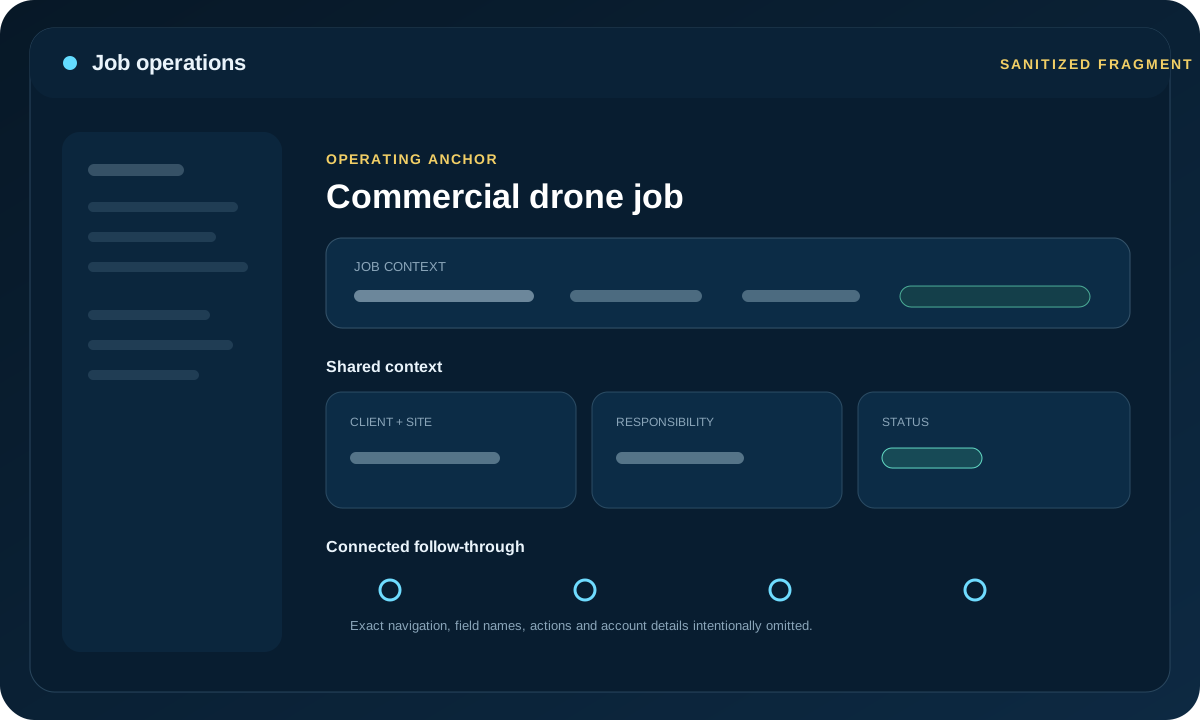
Step 1 · Operating anchor
Start with a shared job record.
Colony Core is built around the commercial job as the context that later operational records can reference.
Public proof: a structured job-operations model exists.
Protected detail: exact fields, navigation, actions, permissions and record schema are not exposed here.
Public boundary: this is a sanitized product-derived fragment, not a downloadable application screenshot.
One job remains the operating anchorJob-model proof
Step 2 · Responsibility
Keep responsibility connected to the work.
The operating model associates responsibility with job context so handoffs do not have to begin from an isolated message or memory.
Public proof: responsibility is part of the operating model.
Protected detail: role logic, permissions, qualification rules and assignment controls are omitted.
Public boundary: Colony Core does not determine pilot qualification, authorization, or flight decisions.
Responsibility stays with the operating contextResponsibility-model proof
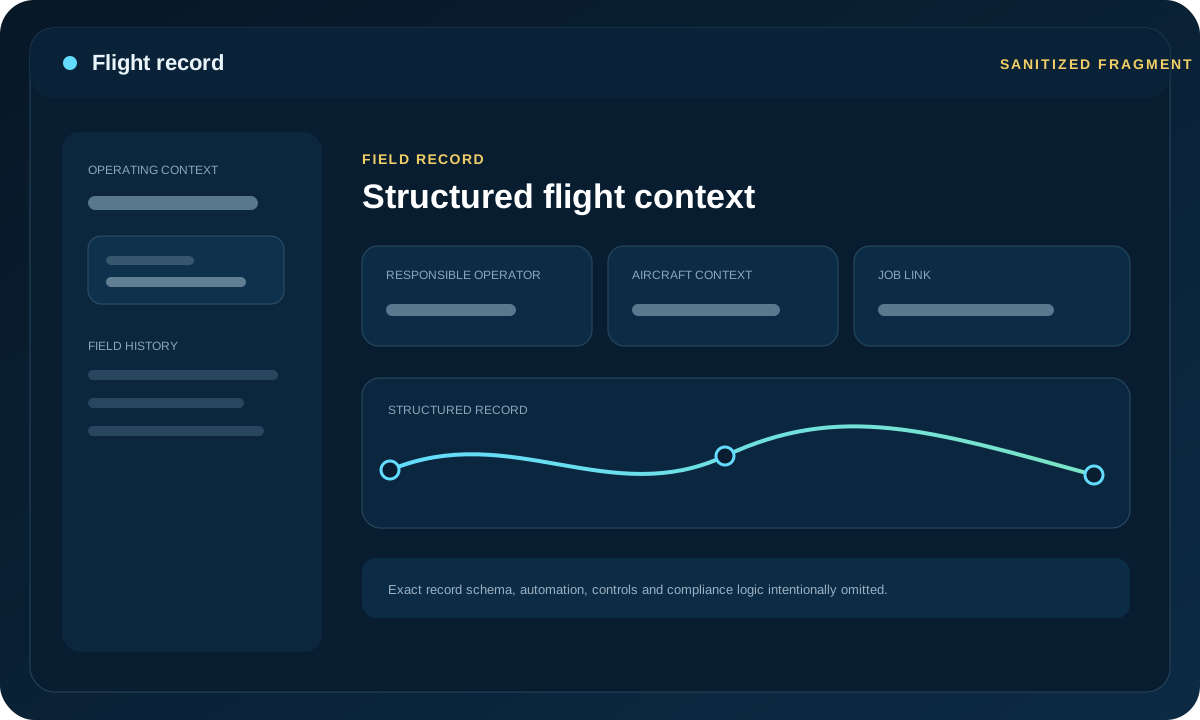
Step 3 · Field record
Bring field history back to the job.
The product model connects structured field records to the work they supported instead of treating the record as an unrelated artifact.
Public proof: a structured flight-record concept exists.
Protected detail: the exact record schema, controls, validation and compliance logic are omitted.
Public boundary: Colony Core records do not by themselves establish regulatory compliance.
Field history stays tied to operating contextField-record proof
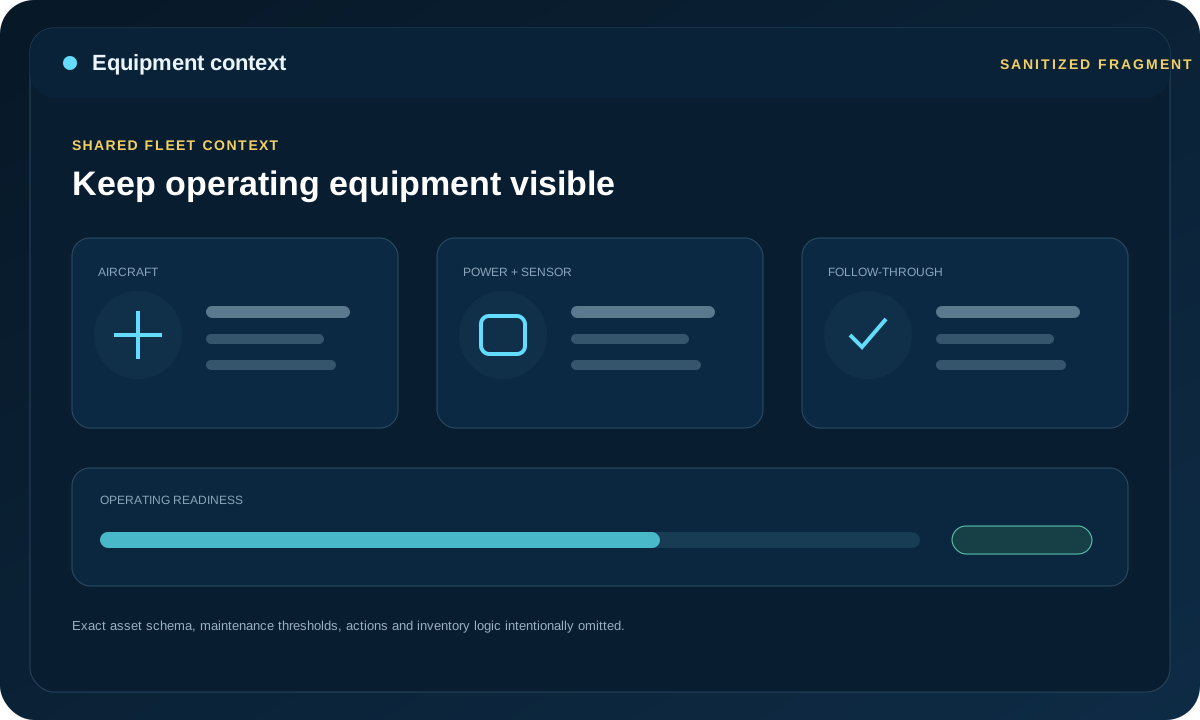
Step 4 · Equipment context
Keep the equipment side of the operation visible.
The operating model carries shared equipment context alongside the work instead of depending entirely on a private tracker.
Public proof: equipment context is part of the product model.
Protected detail: exact asset schema, maintenance thresholds, actions and readiness logic are omitted.
Public boundary: equipment records do not replace manufacturer guidance or airworthiness decisions.
Shared equipment context follows the workEquipment-model proof
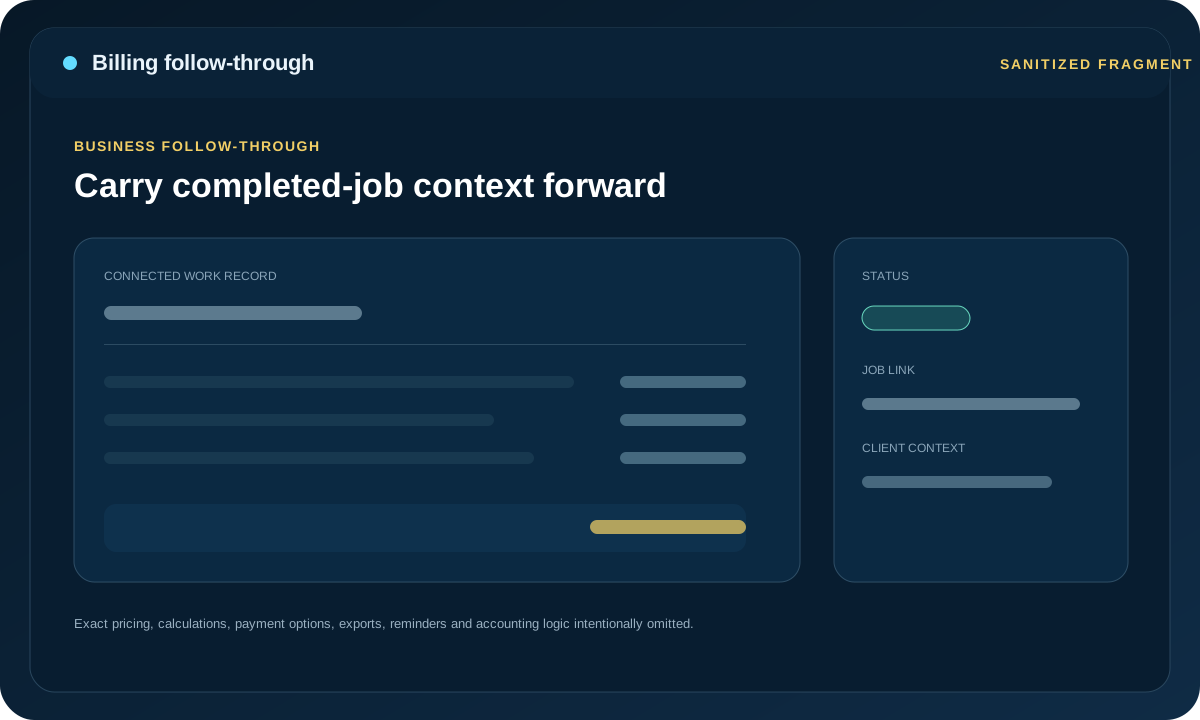
Step 5 · Business follow-through
Carry completed-job context toward billing.
Where enabled, Colony Core can keep billing follow-through associated with the work that produced it instead of rebuilding that context later.
Public proof: billing follow-through exists in the open-beta product model.
Protected detail: calculations, payment options, exports, reminders, accounting logic and exact status behavior are omitted.
Public boundary: enabled billing scope can vary during open beta.
Business follow-through remains associated with the workBilling-model proof
Step 6 · Continuity
The public story is the continuity—not the implementation.
Colony Core connects the commercial drone job and its surrounding operating records. Specialized flight-control, photogrammetry, mapping, processing, and other tools can continue to do their own jobs.
Public concept: job → responsibility → field record → equipment → business follow-through.
Protected IP: how the product implements, automates, validates and permissions those relationships remains inside authenticated product access.
Boundary: the marketing site intentionally does not function as product documentation or a training environment.
The operating model is public; implementation detail is notConnected-model proof
Next step
Want to evaluate the actual open beta against your workflow?
The public story intentionally stops before implementation detail. Create and verify an account to review the live product within the workflows currently enabled for open beta.
 One job remains the operating anchor